WORKSHOPS
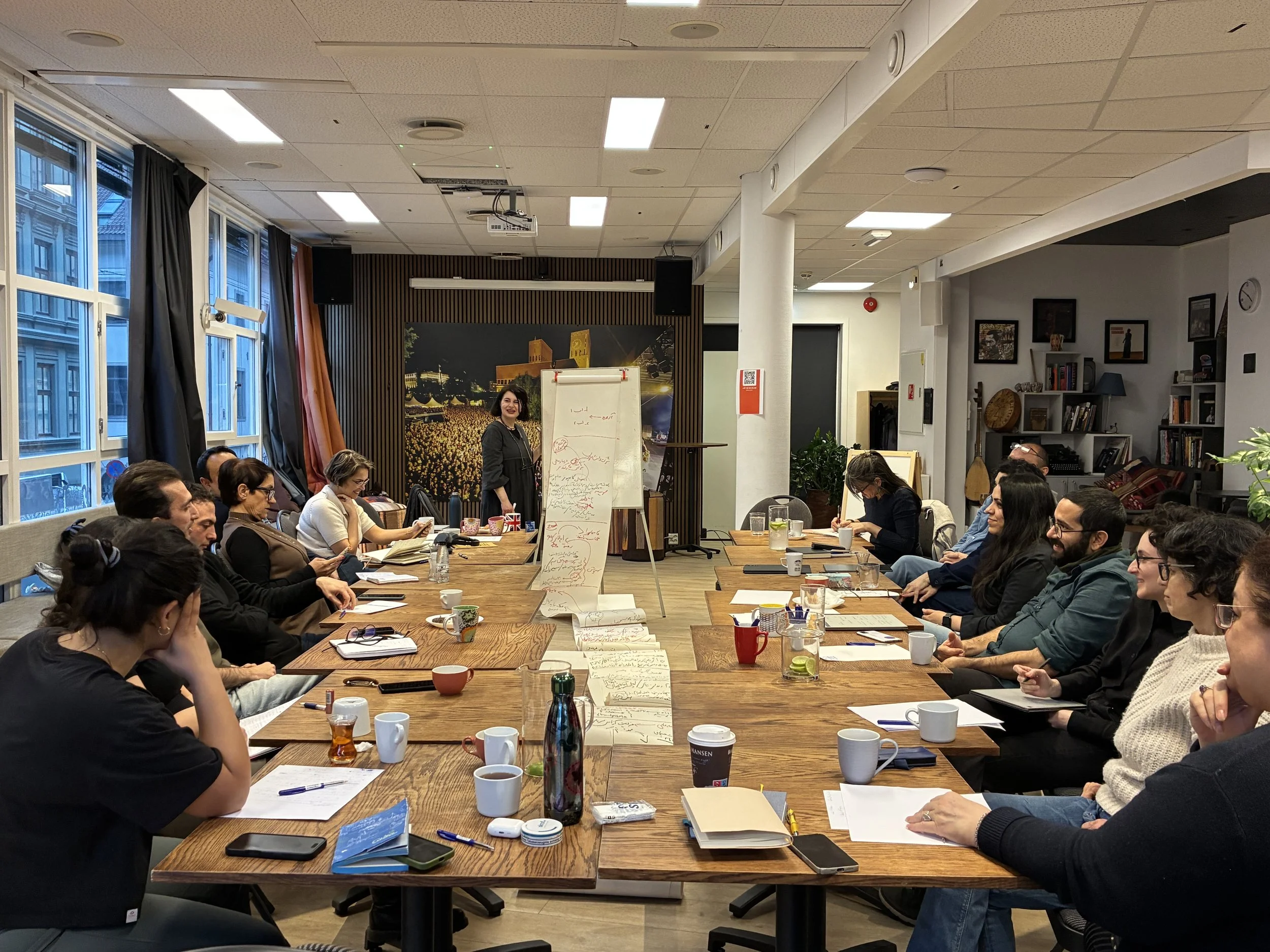
Maan hosts workshops on writing and literature led by a range of teachers. The weekly creative writing workshop is at the heart of Maan’s programme. It is facilitated by Madihe Gharibi, Maan’s founder, and offered to different groups throughout the year.
Alongside this ongoing programme, Maan hosts monthly and one-off workshops led by guest teachers from a variety of fields. Each brings a distinct perspective to literature, writing, and storytelling.
Here, you can explore the workshops Maan has held so far.
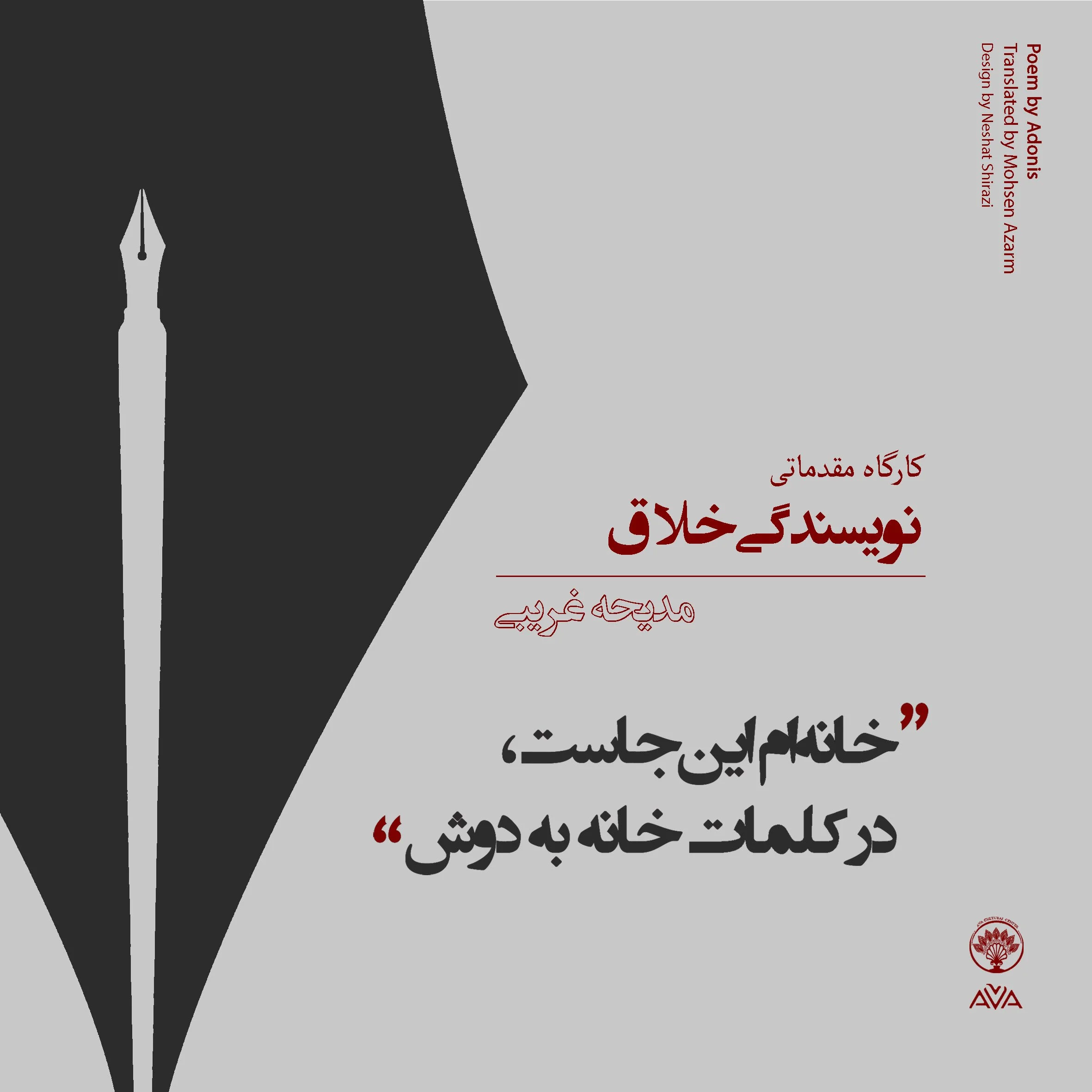
At the heart of Maan’s programme is an ongoing creative writing workshop facilitated by its founder, Madihe Gharibi. The workshops are held both in person in Oslo and Asker and online. So far, the programme has developed into five groups: two in-person groups; two international online groups bringing together participants based in Iran, Norway and elsewhere in Europe; and an online group for young writers in Afghanistan.
These are not short-term courses, but ongoing spaces designed to build lasting communities around writing and literature. Participants often remain involved for many months or longer.
ما مدام و همیشه در معرض داستان و قصهایم. از کودکیمان معمولاً قصههایی را به خاطر میآوریم که شبها قبل از خواب برایمان میگفتند، کارتونی که بارها و بارها تماشا میکردیم، کتابهای مصوری که مدام ورق میزدیم یا داستانی که شاید دهها بار میخواندیم و باز هم از خواندنش خسته نمیشدیم
این میل به قصه اما با کودکی تمام نمیشود. ما هنوز هم هر روز قصه میگوییم و میشنویم. دوستی از اتفاقی که برایش افتاده تعریف میکند، گفتگوی میز بغلی در کافه ناگهان توجهمان را جلب میکند، تبلیغی سعی میکند محصولش را با یک داستان به ما بفروشد، یک ریل یکدقیقهای اینستاگرام یا سریالی که شب به ذوق قسمت بعدیاش به خانه برمیگردیم. قصهها همهجا هستند؛ چه در کتابها و چه لابهلای زندگی روزمرهمان
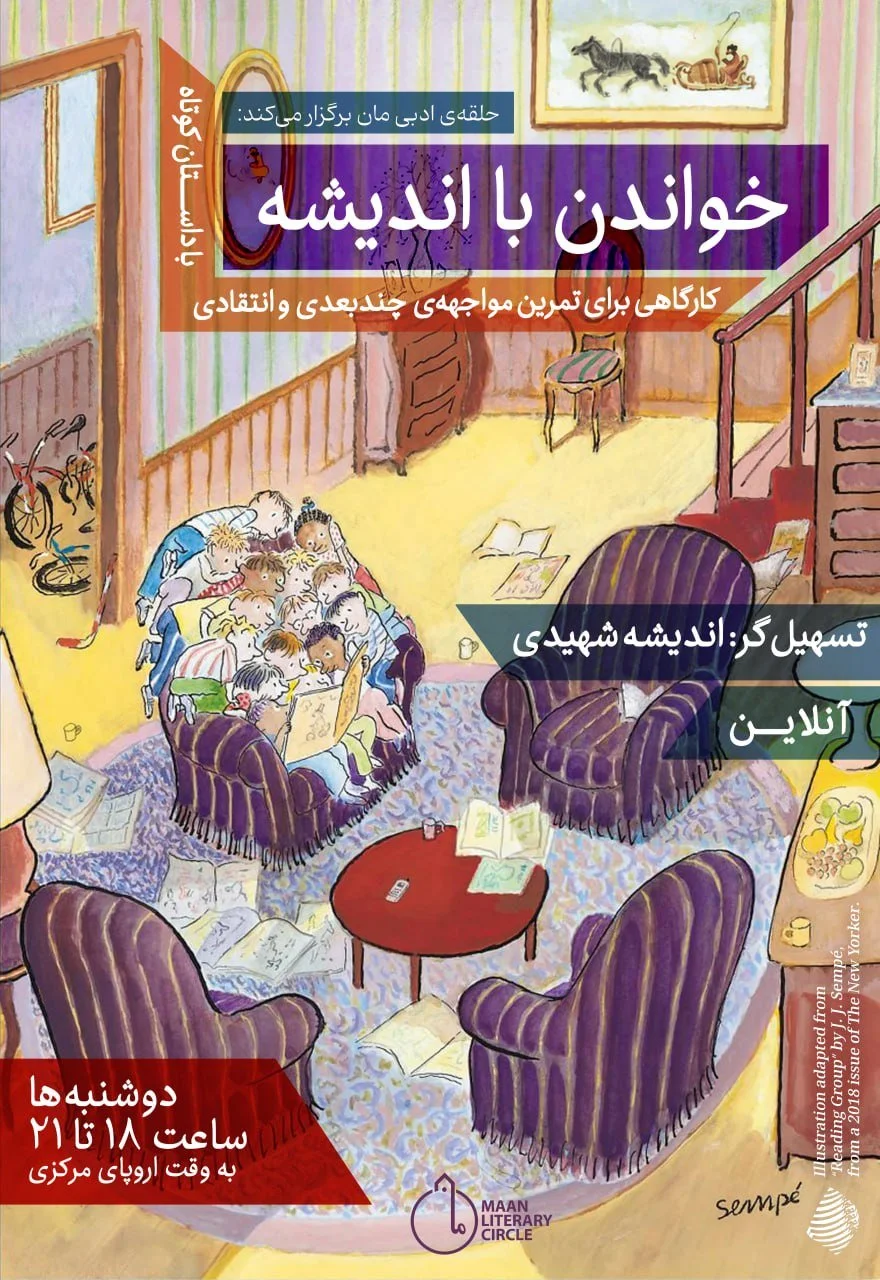
کارگاه «خواندن با اندیشه» از همین نیاز و لذت شروع میشود: از میل ما به شنیدن، خواندن و دنبال کردن قصهها
اما هیچ داستانی در خلأ شکل نمیگیرد. تاریخ، جامعه، جنسیت، طبقه، قدرت، خانواده، روان، فرد و غیره، هر کدام به شکلی در داستانها حضور دارند. شاید برای همین هم باشد که خواندن یک داستان میتواند چیزی فراتر از دنبال کردن ماجرا و رسیدن به پایان آن باشد؛ میتواند راهی باشد برای فکر کردن به خودمان و جهانی که در آن زندگی میکنیم
در کارگاه «خواندن با اندیشه» قرار است خوب خواندن را تمرین کنیم. از سؤالهایی به ظاهر ساده شروع کنیم: اصلاً چرا داستان میخوانیم؟ خوب خواندن یعنی چه؟ داستانها به چه کار زندگی ما میآیند؟ و از دل خواندنشان چه درهایی میتوانیم به خودمان و جهان باز کنیم؟
هر هفته با هم یک داستان کوتاه میخوانیم و سعی میکنیم با هم به داستان بیندیشیم، مکث کنیم، دقیقتر نگاه کنیم، سؤال بپرسیم و دربارهاش گفتوگو کنیم. اندیشه در طول کارگاه جعبهابزاری از شیوههای مختلف خواندن و تحلیل در اختیارمان میگذارد تا بتوانیم از دریچههای متفاوت به یک داستان نزدیک شویم؛ جزئیات بیشتری ببینیم، سؤالهای بهتری بپرسیم و کشف کنیم که چطور یک متن میتواند همزمان راه را برای معناها، تفسیرها و خوانشهای متفاوت باز کند
اما قرار نیست این دقت و تحلیل، لذت و سحر داستان را از ما بگیرد. برعکس، هرچه بیشتر ببینیم، بیشتر هم لذت میبریم. شاید بتوانیم همان کنجکاوی و شوقی را که زمانی باعث میشد یک قصه را دهها بار بخوانیم، این بار با دقت، اندیشه و نگاه نقادانه همراه کنیم
شروع دوره: ۲۰ اکتبر
تعداد جلسات: ۴ جلسه
زمان: دوشنبهها- ساعت ۱۸ تا ۲۱
شیوهی برگزاری: آنلاین
زبان کارگاه: فارسی
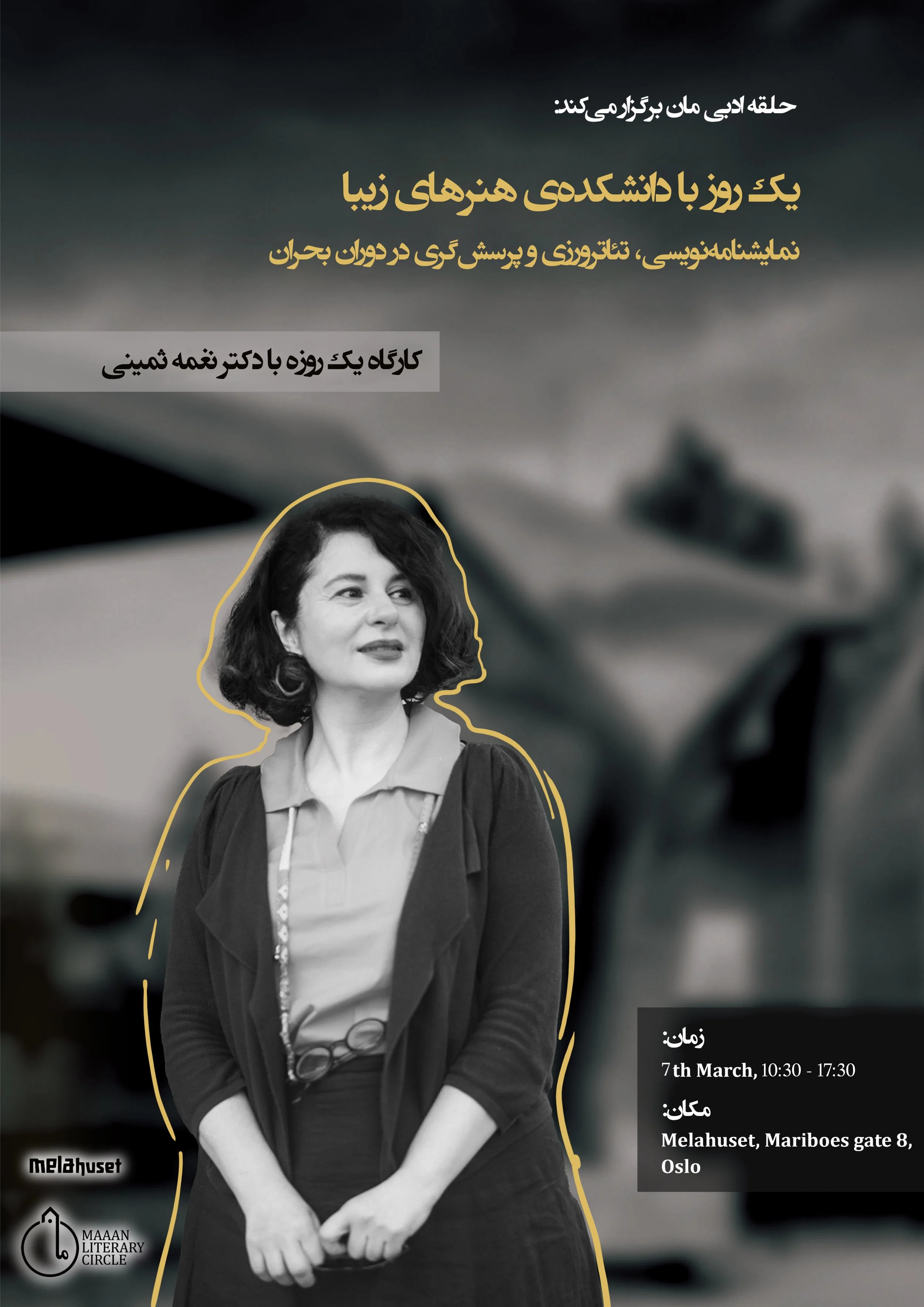
یک روز با دانشکدهی هنرهای زیبا: نمایشنامهنویسی، تئاترورزی و پرسشگری در دوران بحران
کارگاه یکروزهی حضوری با دکتر نغمه ثمینی
شنبه، هفت مارچ، از ساعت ۱۰:۳۰ تا ۱۷:۳۰
هنرهای زیبایی بودن چه به عنوان دانشجو یا استاد، همواره هویتی چالشبرانگیز و در عین حال مقتدر بوده است؛ هویتی که نغمه ثمینی سیسال با آن زندگی کرده و هنوز حضورش را در خود، گرم و زنده، درک میکند. این کارگاه یک روزه سفریست به دانشکدهی هنرهای زیبا، از تئاتر گفتن و برای اجرا نوشتن.
در این ورکشاپ ششساعته، تلاش میکنیم عصارهی تجربهی «هنرهای زیبایی» و «دانشجوی تئاتر» بودن را با هم تجربه کنیم؛ فضایی که در آن پرسشگری، اندیشیدن، تمرین کردن و گفتوگو کردن، بنیانِ شکلگیری تئاتر و نوشتن است.
در بخش ابتدایی کارگاه، به مرور اهمیت تئاتر در تولد و استمرار مفهوم دموکراسی و نقش آن در دوران بحران و جنگ خواهیم پرداخت و در بخش دوم، نخستین گامهای نمایشنامهنویسی را بهصورت عملی با هم تجربه میکنیم.
برای شرکت در این کارگاه، تنها ماجراجویی، هیجان نوشتن و تئاتر ورزیدن، و شور گفتوگو و آگاهی کافی است. در اين روزگار اين كارگاه امكانی است برای با هم بودن و بيان فكر و احساس از طريق نوشتن.
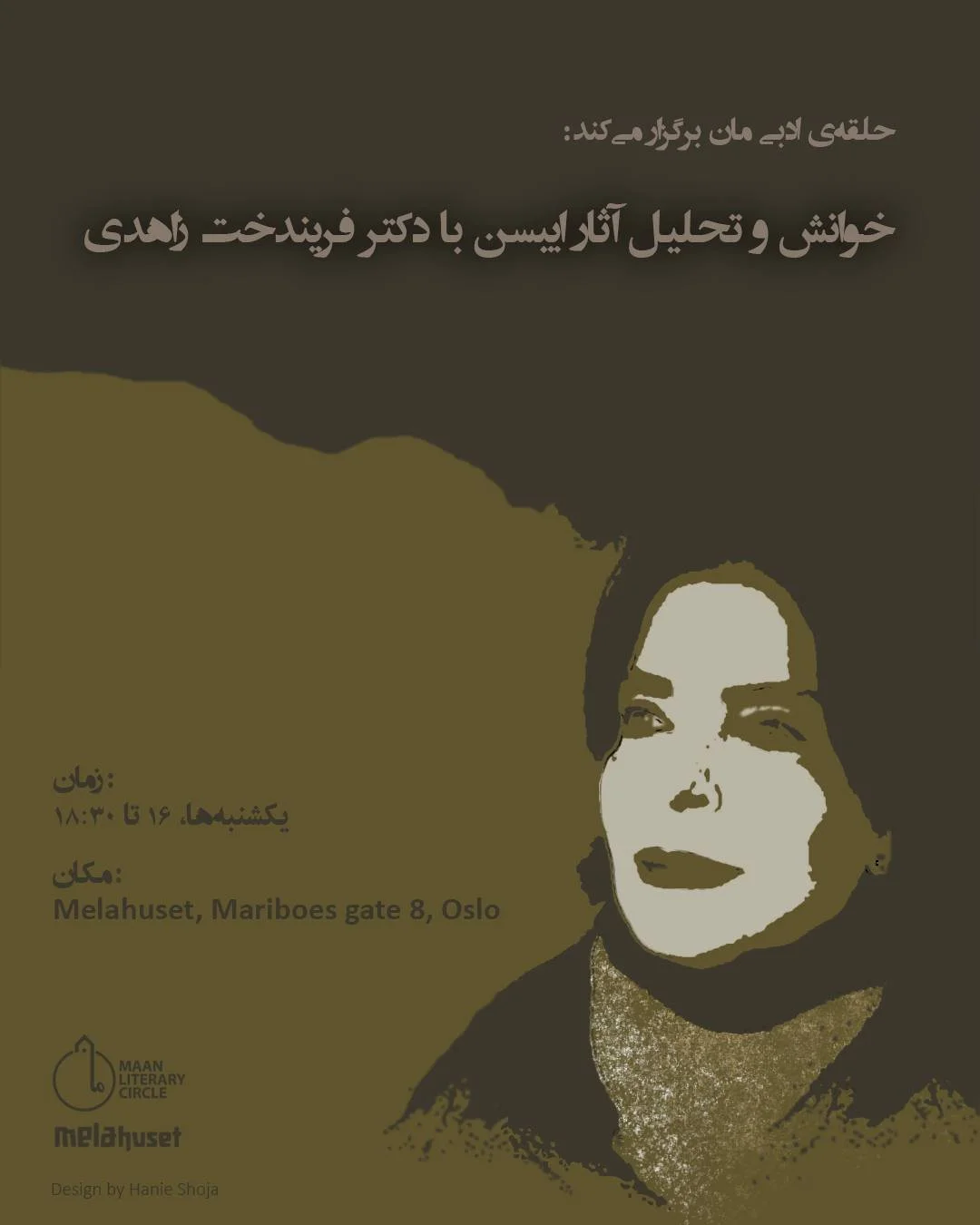
خوانش و تحلیل آثار هنریک ایبسن
دورهای با دکتر فریندخت زاهدی
هشت جلسه | یکشنبهها | ساعت ۱۶ تا ۱۸:۳۰ | حضوری
.کنجکاوی و اشتیاق، تنها شرط شرکت در این دوره است
شهریه: هر ترم چهار جلسهای ۱۶۵۰ کرون
.اگر هزینهی دوره مانعی برای حضور شماست، لطفاً با ما تماس بگیرید
هنریک ایبسن یکی از تأثیرگذارترین نمایشنامهنویسان جهان و از پایهگذاران درام مدرن است. آثار او با گذشت بیش از یک قرن، همچنان در سراسر جهان خوانده و اجرا میشوند و هر سال جشنوارهها، سمینارها و پژوهشهای متعددی به آثار او میپردازند.
اما برای شناخت ایبسن، تنها خواندن نمایشنامههایش کافی نیست. شخصیتهای آثار او با روابط خانوادگی، فشارهای اجتماعی، انتخابهای فردی و تعارض میان خواستههای شخصی و انتظارات جامعه روبهرو هستند. این شخصیتها را نمیتوان جدا از جامعه و زمانهای که در آن زندگی میکنند، شناخت. برای شناخت ایبسن و آثار او باید ابتدا زمینههای پیشتولید آثارش را بررسی کنیم.
در این دوره، ابتدا به زمینههای سیاسی، اجتماعی، تاریخی و ادبی شکلگیری آثار ایبسن در نیمهی دوم قرن نوزدهم و آغاز قرن بیستم میپردازیم. بررسی میکنیم که ایبسن آثارش را در چه شرایطی نوشته، همزمان با او چه نویسندگانی در اروپا و دیگر نقاط جهان فعالیت میکردند، رئالیسم او از چه جریانهایی تأثیر گرفته و بر چه نویسندگان و جریانهایی اثر گذاشته است.
در ادامه، تعدادی از مهمترین نمایشنامههای ایبسن را با هم میخوانیم و در خلال این خوانشها، با شیوهای برای مواجهه و تحلیل آثار نمایشی آشنا میشویم؛ شیوهای که میتواند همزمان راهنمایی باشد برای مشاهده و قضاوت خود و جامعهمان. چه جامعهای که از آن آمدهایم و چه جامعهای که امروز در آن زندگی میکنیم.
در این دوره، نمایشنامههایی از جمله «خانهی عروسک»، «اشباح»، «دشمن مردم»، «مرغابی وحشی»، «هدا گابلر»، «استاد معمار» و «وقتی ما مردگان برمیخیزیم» بررسی خواهند شد.
این دوره مقدمهای برای آشنایی با جهان نمایشی ایبسن است و برای کسانی مناسب است که میخواهند برای نخستینبار آثار او را بخوانند، با نمایشنامههایش آشنا شوند و تجربهی خواندن و گفتوگو دربارهی یک اثر نمایشی را در فضایی جمعی داشته باشند
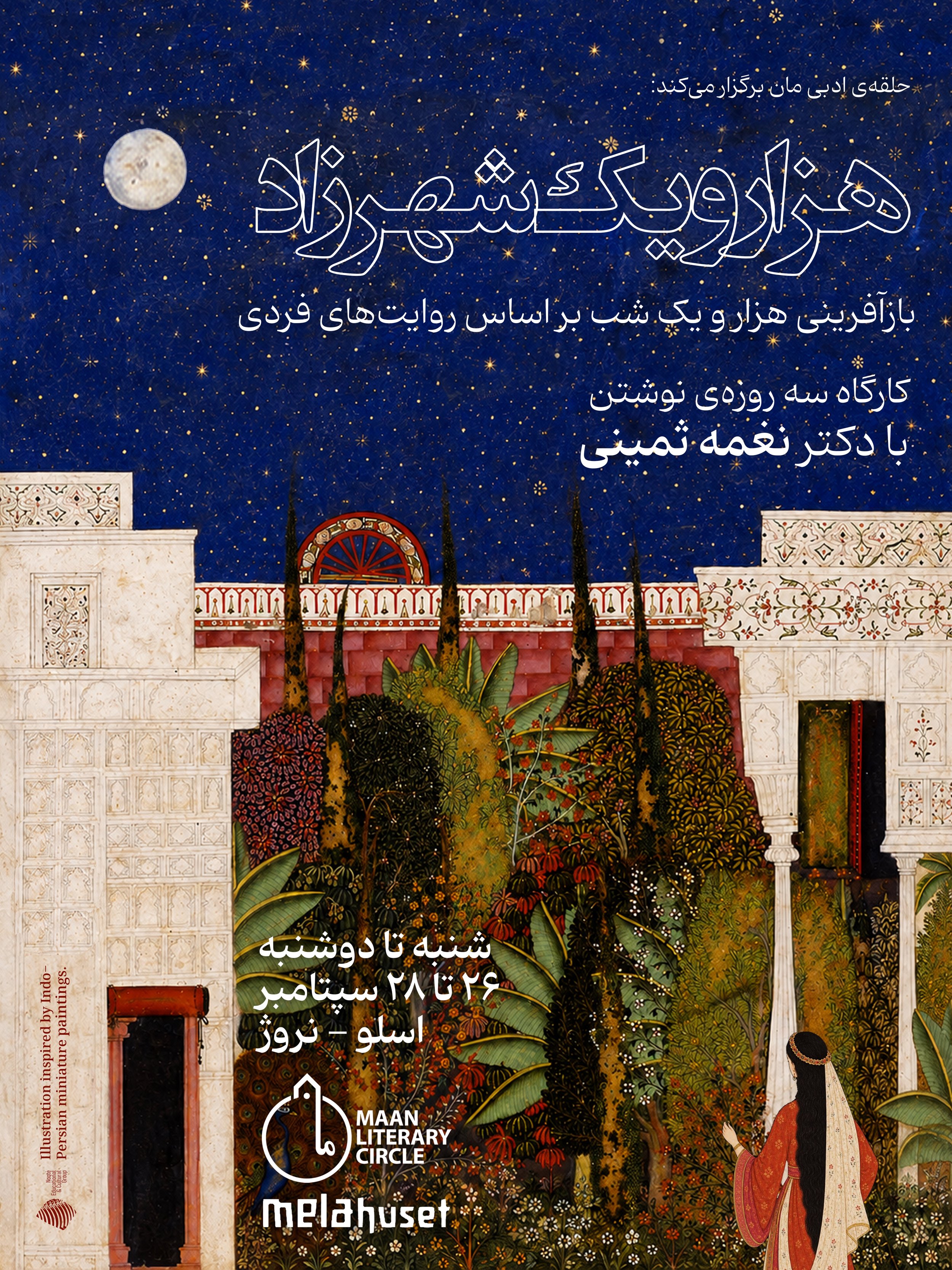
One Thousand and One Nights is an inexhaustible source of stories, not stories of the great and powerful or of kings, but stories of ordinary people, of those who inhabit the streets. In this respect, One Thousand and One Nights differs from many of the works we consider literary treasures. One can surrender to its stories and become immersed in the narratives of people who have often had no voice in official history.
In this three-day workshop, we will first explore the origins and defining characteristics of One Thousand and One Nights: its history, its confrontation with established social morality, and its relationship to gender. We will then examine its frame narrative: the story of Scheherazade and Shahryar, and become acquainted with some of the book’s most significant tales.
Following this historical and analytical engagement, we will turn to writing and practical work. The aim of this part of the workshop is to reimagine One Thousand and One Nights in the contemporary world and through the voices of migrants. This reimagining will take place in an open and creative environment. Participants may choose a story and weave it together with their own narrative, or draw solely upon the narrative form of One Thousand and One Nights. The texts will then be revised over the following months and ultimately presented at a festival, either as performances or readings, depending on their narrative form.
No prior familiarity with One Thousand and One Nights is required to participate. If the fire of writing is alive within you, and you have the imagination and audacity to explore new experiences in reading, learning, and writing, you are warmly invited to join the One Thousand and One Scheherazades workshop.
Workshop Information:
Dates: 26–28 September 2026
Schedule:
Saturday 26 and Sunday 27 September, 12:00–18:00
Monday 28 September, 17:00–21:00
Venue: Melahuset, Mariboes gate 8, Oslo,
Participation fee: NOK 2,000
The fee includes 16 hours of classes and one mentoring session offering feedback on the texts produced during the workshop.
Discount: Participants attending a MAAN Literary Circle workshop for the first time will receive a 15% discount.